What Is a Hybrid Mattress? Pros, Cons and Who It Suits
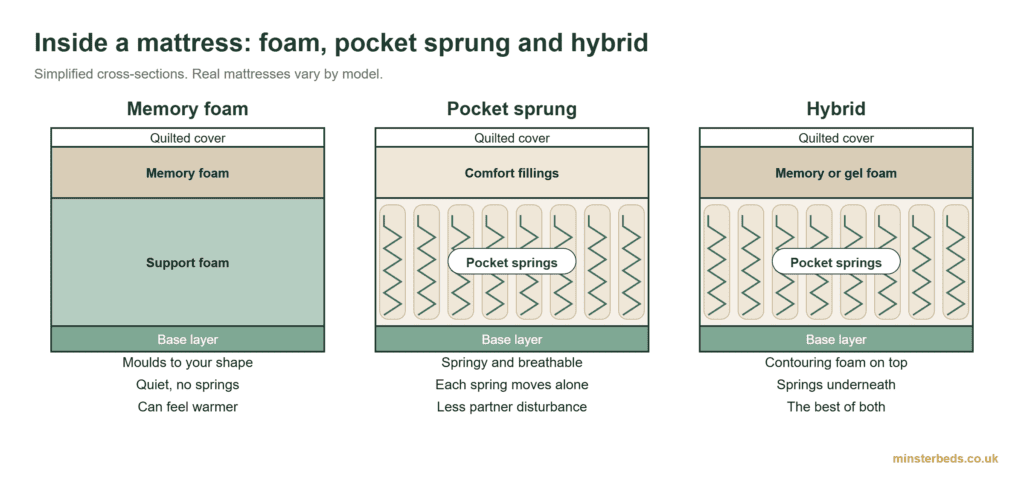
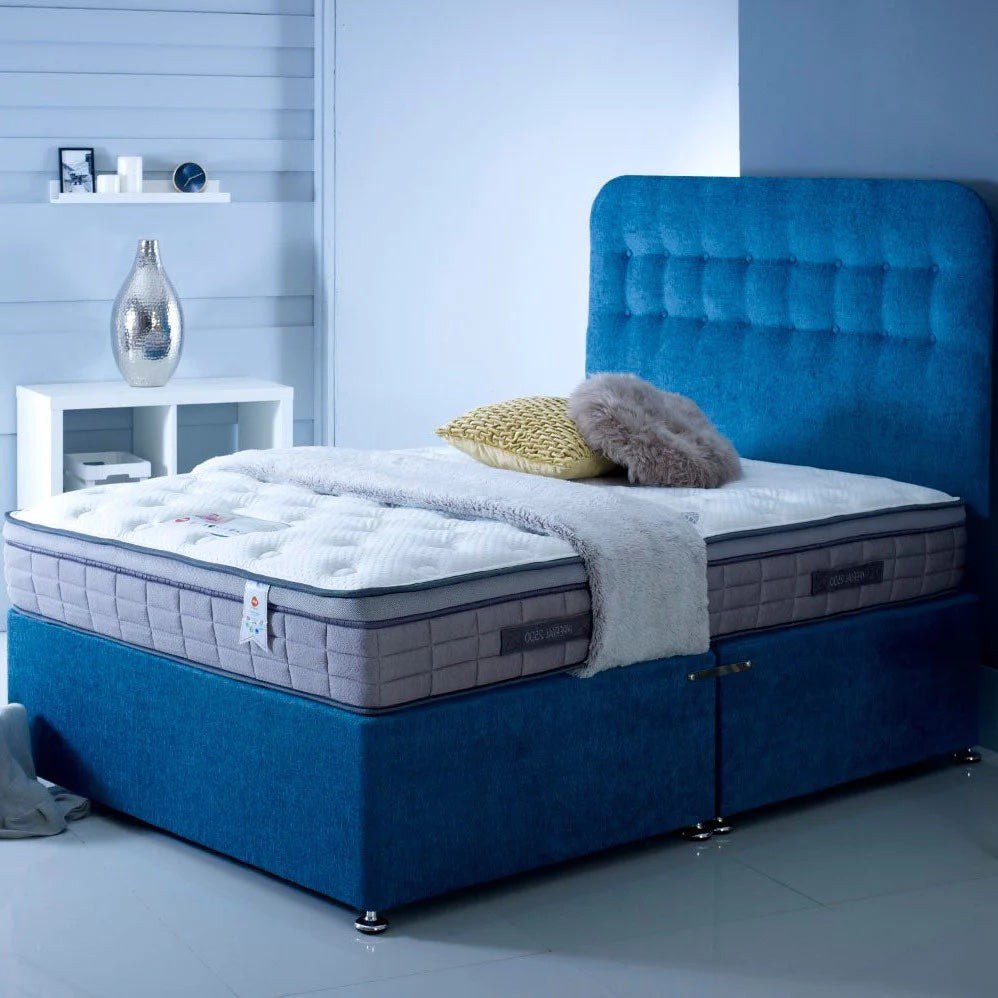
A hybrid mattress combines pocket springs underneath with a layer of foam (usually memory or gel foam) on top. You get the cushioned, contouring feel of foam plus the bounce, support and airflow of springs. If you’ve never been sure whether you’re a “foam person” or a “spring person”, a hybrid is a very safe bet.
Foam hybrids: a different use of the word
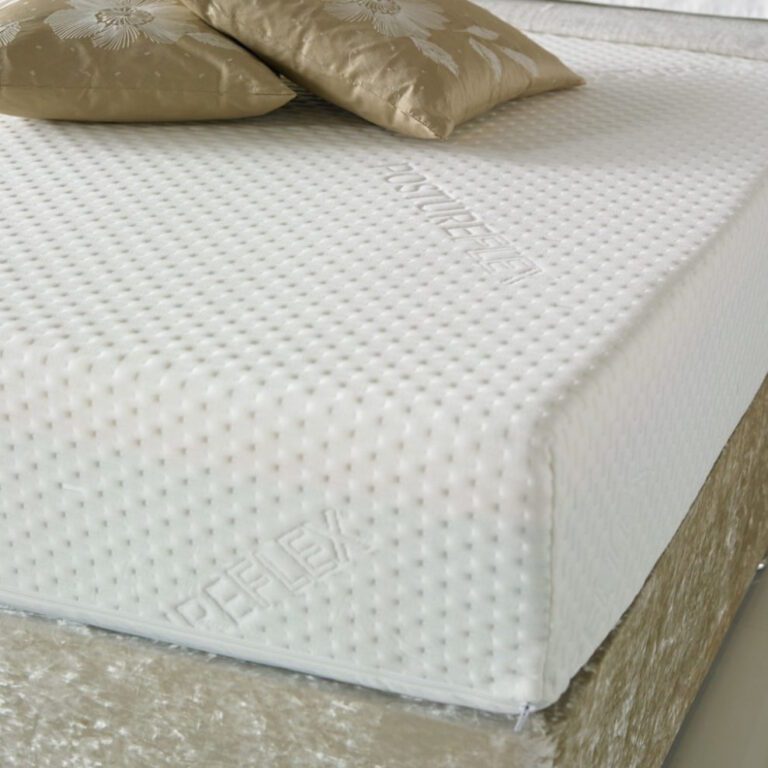
You’ll also see “hybrid” used for mattresses that combine different types of foam, with no springs at all. Our Postureflex Platinum Plus is one of these: it layers 15 cm of supportive foam, 5 cm of soft foam and 5 cm of visco memory foam, giving you the support of firmer foam with the pressure relief of memory foam. If you want the silent, motion-absorbing feel of foam with a bit more variety in the layers, a foam hybrid is a great choice. This guide focuses on spring-and-foam hybrids; for more on all-foam mattresses, see our guide to mattresses without springs.
How a hybrid is built
Most hybrids have three main parts:
- A comfort layer of memory foam or gel-infused foam that moulds to your body and relieves pressure.
- A pocket spring unit that provides the main support. Each spring moves on its own, so the mattress responds to every part of your body.
- A quilted or knitted cover that’s soft to the touch and helps air circulate.
The pros
- Balanced feel: contouring on top, supportive underneath. Most people find it comfortable straight away.
- Cooler than all-foam: air moves freely through the springs. Gel-infused foams help even more (see our gel memory foam guide).
- Less partner disturbance: foam and individually pocketed springs both absorb movement. Great news for couples.
- Easy to move on: the springs give the mattress a responsive bounce, so you don’t feel stuck.
The cons
- Heavier than all-foam mattresses, so rotating takes a bit more effort.
- Usually cost more than basic foam or open-coil mattresses, though there are great-value options.
Hybrids in our range
| Mattress | Springs | Comfort layer | Firmness |
|---|---|---|---|
| SleepSoul Balance 800 | 800 edge-to-edge pocket springs | 2 cm memory foam | Medium |
| Baker & Wells Majestic 1000 | 1000 pocket springs | Gel-infused memory foam | Medium |
| Baker & Wells Imperial 2500 | 2500 pocket springs | Cool gel memory foam, Tencel cover | Medium |
The SleepSoul Balance 800 is a brilliant everyday hybrid at a friendly price. The Majestic 1000 adds cooling gel foam and arrives rolled for easy delivery. The Imperial 2500 is our most luxurious, with a high spring count, gel foam and a breathable Tencel cover.

Who should choose a hybrid?
- Combination sleepers who move between positions in the night
- Couples who want less disturbance but don’t want to sink into foam
- Warm sleepers who like the feel of memory foam but find all-foam too hot (see our hot sleepers guide)
- Anyone unsure whether foam or springs suit them best
FAQs
Is a hybrid better than memory foam?
Not better, just different. A hybrid feels more responsive and sleeps cooler, while all-foam hugs you more closely. Our memory foam vs pocket sprung guide compares them in detail.
Do hybrid mattresses need turning?
Most modern hybrids, like the Majestic 1000, are non-turn: rotate them regularly but don’t flip them. See our turning guide.
How long does a hybrid mattress last?
Typically 8–10 years, or more for higher spring counts and premium fillings. See how long mattresses last.
Related guides: Pocket spring counts explained · Memory foam vs pocket sprung · The best mattress for couples